A summer research project on rural voters provides insight on why so many Arkansans do not participate.
Early voting starts on October 19. Midterm General Election is on Tuesday, November 3, 2026. Find your polling place here.
Written by Sanjana Koneru
Read my full report.
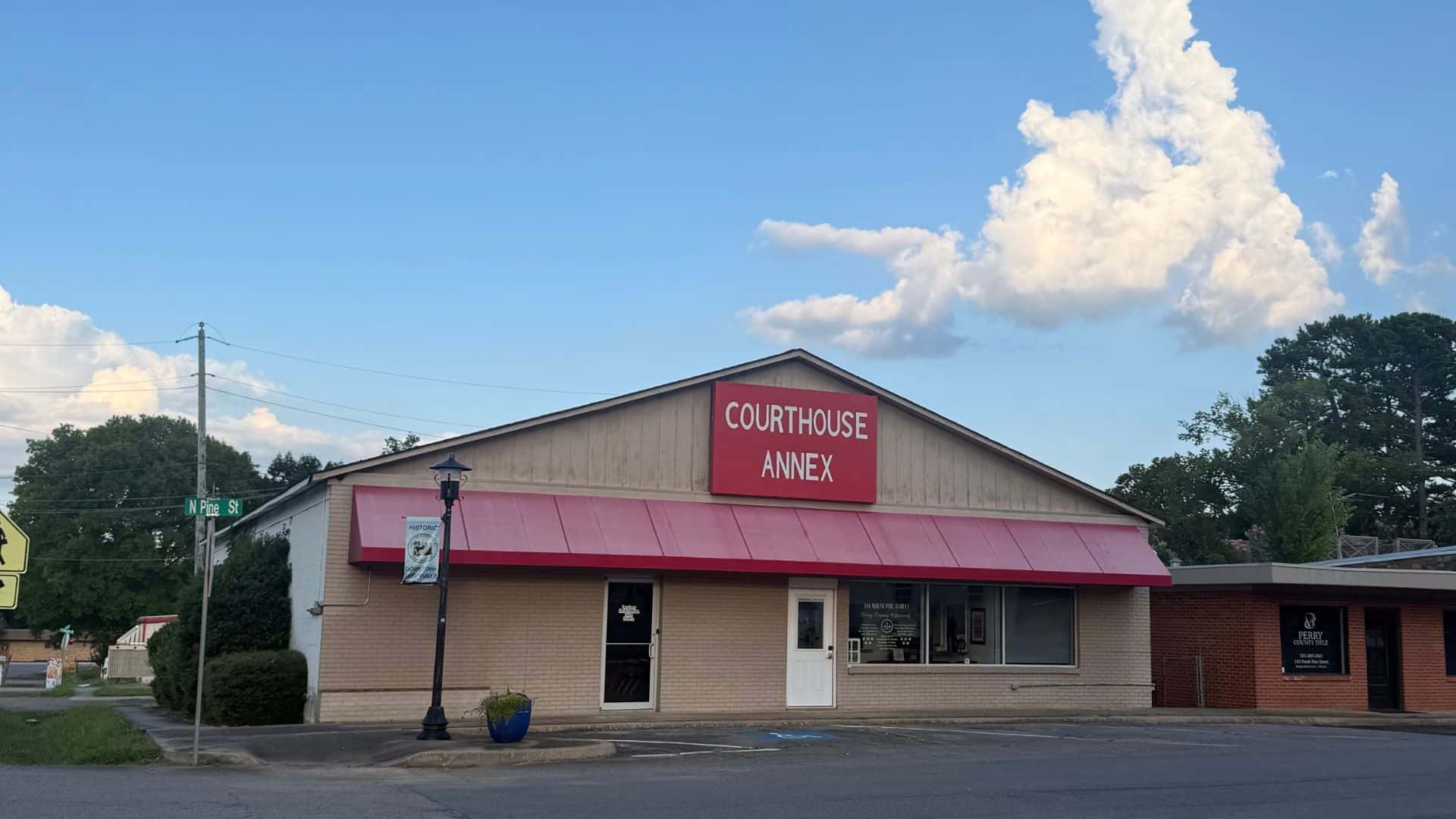
Three teenagers at a park in Perryville, Arkansas, described their town in apologetic terms: “Everybody knows everybody’s business,” and the result is “kind of toxic in a way.” When asked if they would register to vote, one answered without hesitation: “I just don’t think that would really make a difference to me, and I don’t have the time,” and it was just “never really a big deal here.” Across Arkansas, the explanation offered most often for low rural voter turnout is distance. Precincts are too far away, roads are in poor condition, and high-speed internet access is too limited to research a ballot. That explanation is accurate, but unable to fully account for what is happening in rural Arkansas. Instead, the more significant barriers are not geographic but psychological and material— a documented deficit in political efficacy, a broader erosion of political trust, and, for the state’s poorest families, competing basic needs that leave little room for voting.
Living in a Civic Desert
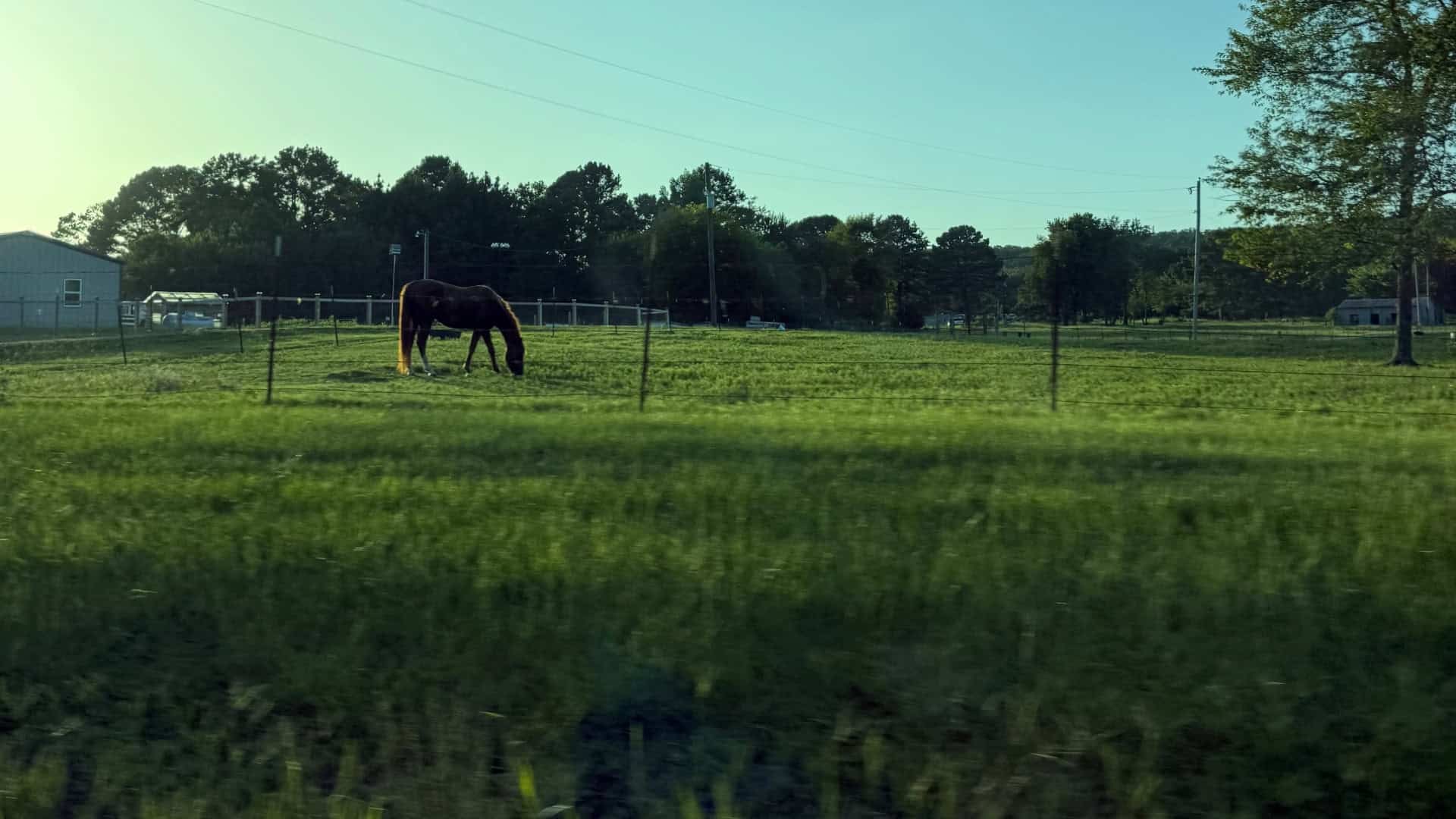
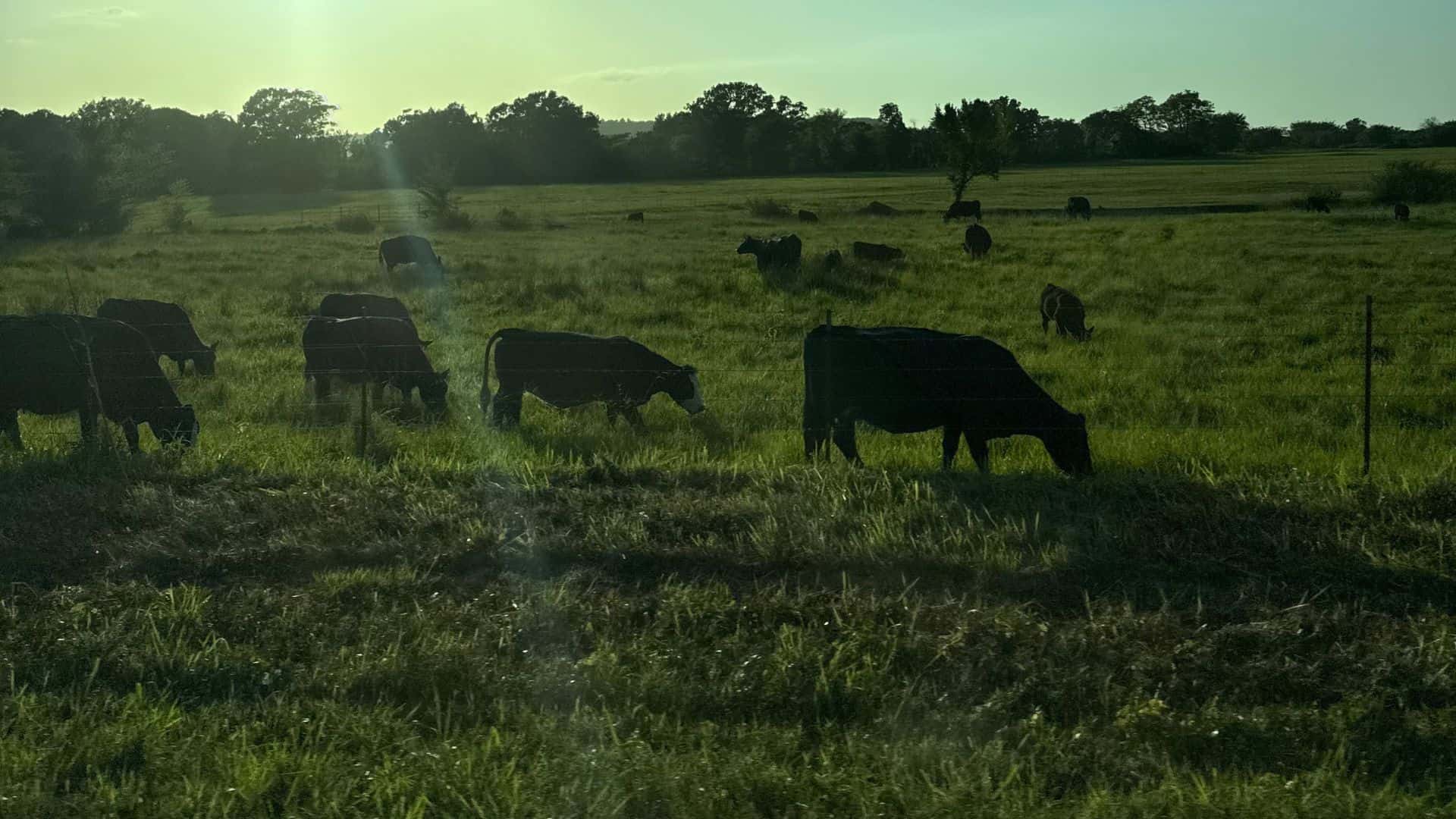
Perry County is poor, rural, and losing people, with no public transit or even traffic lights. A local elected county official described the place plainly: “Some people have to drive six or eight miles just to go to the voting precinct,” and because polling places are spread out to cover so much ground, “it’s not like an easy trip. You have to plan it.” Rural residents make up nearly 45% of Arkansas’s population. Nationally, an estimated 60 percent of rural young adults live in what researchers term civic deserts, defined as areas with too few institutions or gathering spaces to normalize voting. Limited internet access compounds the problem as much of rural Arkansas remains underserved because serving sparsely populated areas is not cost-effective for providers, which makes it harder for residents to locate polling information or research candidates independently.
“I feel like no one even tries to care, because you already know who’s going to get picked.” —Perry County resident
The clearest example of this barrier comes from former Arkansas state representative LeAnn Burch, describing her 88-year-old mother, who can no longer manage the stairs to the courthouse basement where Drew County holds early voting. To get an absentee ballot for her mother she had to go to the courthouse three times: once to request the ballot, once to sign paperwork for it to be delivered, and once to return the completed ballot. “All those things, that’s more difficult than anything,” Burch says. “And I have a couple of [college] degrees and found it difficult.”
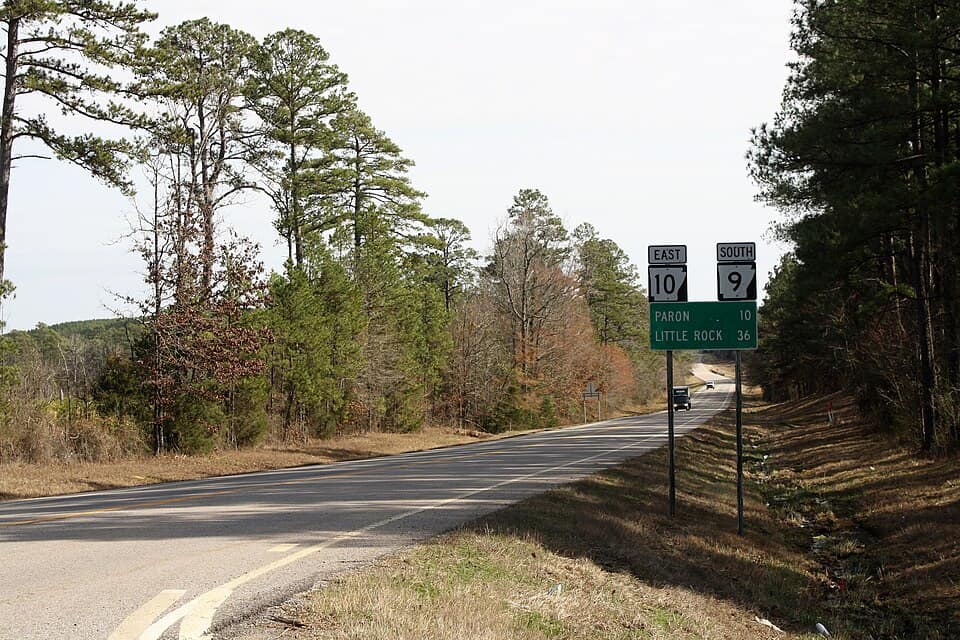
But Burch’s experience is not universal. Back in Perry County, 40 miles away from Little Rock, the distance barrier is not felt evenly. The Perry County elected official’s account describes life on the outskirts, where residents are spread across the county’s more remote stretches, not necessarily Perryville, the area’s largest town.
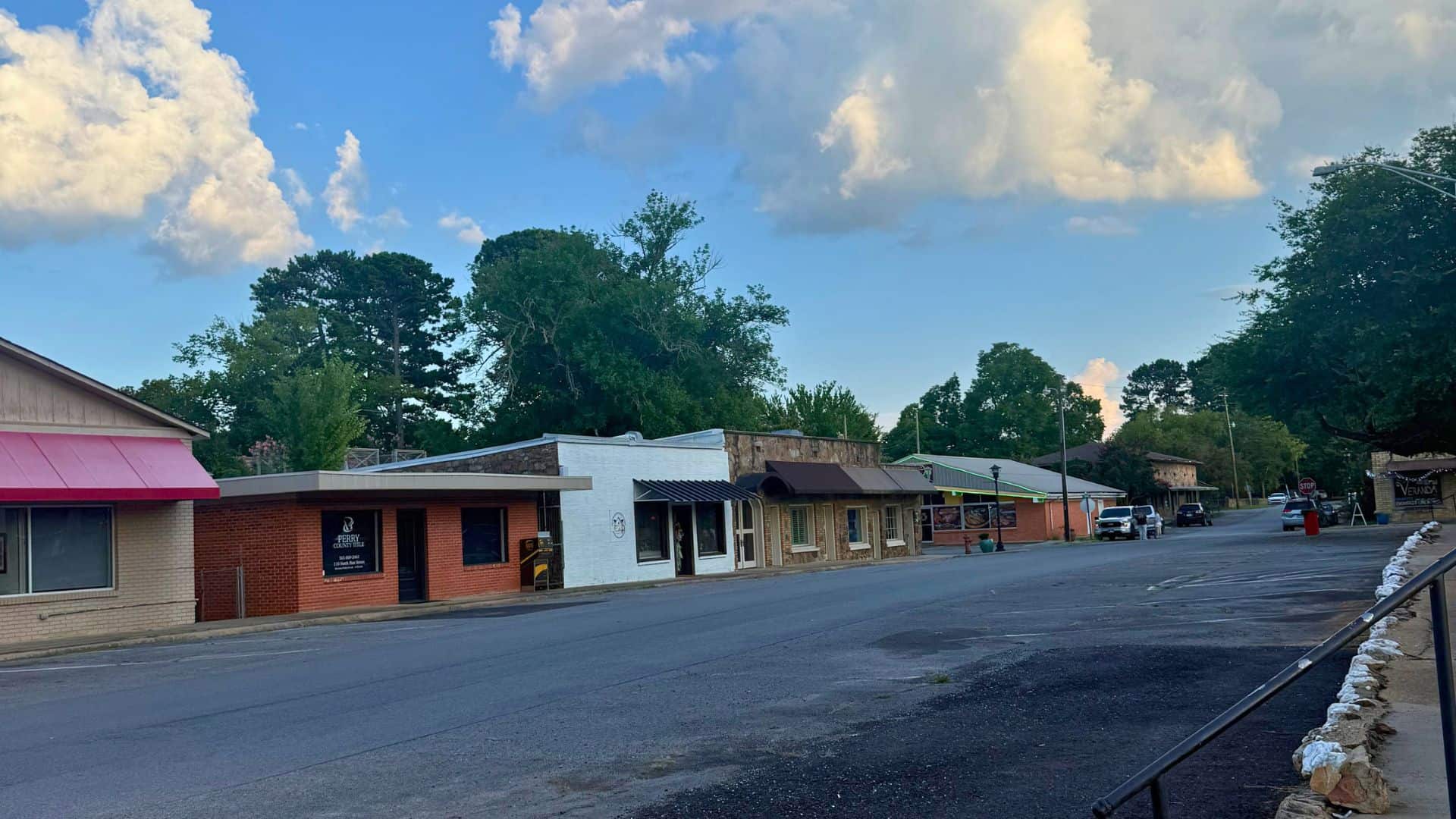
The teens in Perryville, when asked about barriers or difficulties associated with voting, said there weren’t any, but rather it just was not a “big deal” in the area and it did not matter. If distance and access were the primary problem, the remedy would be straightforward: additional precincts, improved roads, and expanded broadband access, and for outskirts residents, that remedy might help. But it would fail to explain countless other rural towns where access has never been the main issue.
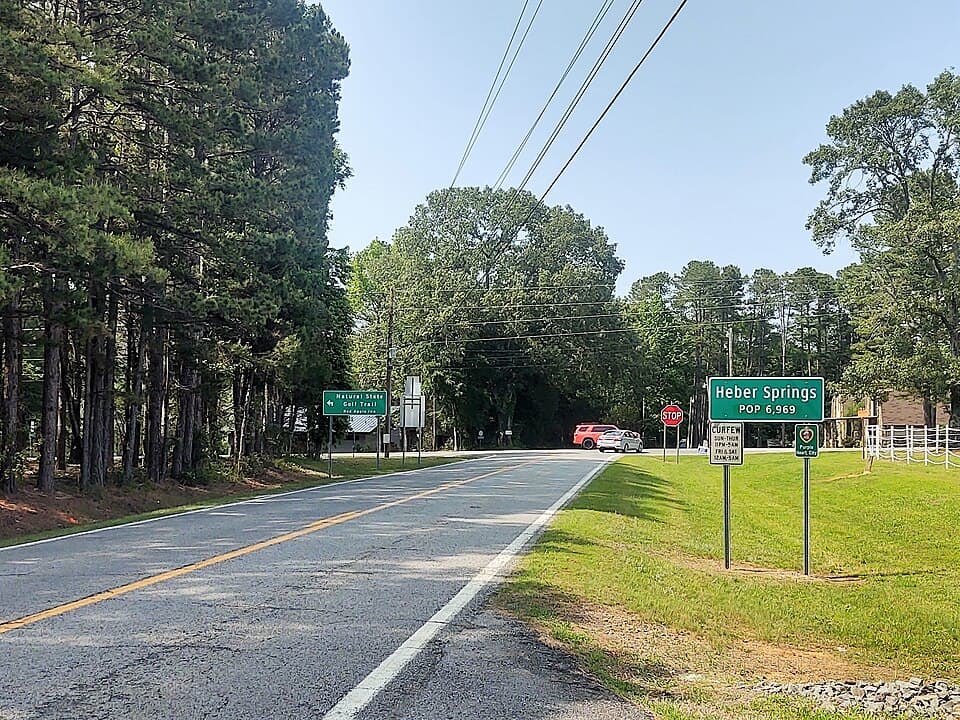
Heber Springs, the county seat of Cleburne County, provides a different example. Local election officials and residents describe access as a non-issue; the county clerk-elect described voting access as “pretty available for everyone.” Despite this, the mayor estimated that, out of a population of 7,000, only about 2,000 residents are registered to vote. When asked to explain the gap, residents did not point to logistical barriers. A young community center employee, discussing a female candidate for mayor, stated plainly: “I feel like no one even tries to care, because you already know who’s going to get picked.” Even residents who explicitly reject the “my vote doesn’t count” mentality describe a parallel erosion in trusted information sources.
The Efficacy Gap
When people begin to lose faith that the system works for them, they find little reason to take part in it. Political efficacy has two parts. Internal efficacy is whether people feel they understand how the political process works, and external efficacy is whether they believe political institutions will actually listen to them; in other words, if they trust political institutions.
In Arkansas, internal efficacy is very low, while external efficacy is low to moderate across both rural and urban parts of the state, according to the 2023 Arkansas Civic Health Index. Only about 35 percent of Arkansas voters reported trusting the federal government even half the time, compared with a national average of 46 percent; the state ranks 49 out of 50 in trust between residents. This gap in federal trust is specifically tied to rural identity. Research has found that both living in a rural area and strongly identifying with a rural community are associated with lower trust in the federal government across both Republican and Democratic administrations.
Distrust of the federal government does not necessarily extend to the local government.
Arkansas State Representative for District 87, DeAnn Vaught, describes Washington, DC as “truly the farthest away” from her constituents’ daily lives, while local races draw more participation because the outcomes are more immediate and visible. Rural voters tend to prioritize tangible local concerns over national platforms, even as rural communities show comparatively low rates of membership in civic organizations.
Some of that low efficacy appears rooted in inadequate civic preparation. A worker at the Heber Springs Community Center described his own civic education as something that simply did not happen. Younger residents display the sharper edge of this gap. “It’s the same people with the same jobs and nothing’s going to change,” one Perry County small-business owner says, explaining why he believes his neighbors do not vote, despite voting himself. Burch describes encountering this firsthand while canvassing a rural courthouse, where a woman working behind the glass at the municipal fines window told her, without hesitation, that she did not vote because she saw no evidence it mattered—despite working inside a government building daily.
The Scarcity Effect
Efficacy and distrust, however, account for only part of the pattern Burch describes after two terms representing a rural district. The remainder, in her assessment, is simpler but considerably harder to address: many families simply lack the time and mental capacity to engage with politics because their daily lives are consumed by survival. Nearly 30% of adult Arkansans experience food insecurity. In many rural communities food insecurity exists alongside limited childcare options, unstable employment, and long travel distances to essential services. Taken together, these challenges create a vicious cycle of logistical problems that leave little time or energy for civic engagement. Burch sees this dynamic regularly among her constituents. “Their priorities are things like eating. Getting the kids to school,” she says. “It’s not trying to find where their voting place is to vote for somebody they don’t know or trust.” Her observation reframes what is often dismissed as political disengagement; the issue can also be a lack of time, attention, and capacity.
Researching candidates and locating polling places all require energy and resources that are scarce when families struggle to find their next meal.
Political participation, then, becomes subject to what psychologists describe as the “scarcity effect,” which refers to when individuals face persistent material hardship, so urgent needs dominate decision-making while longer-term activities, even ones with potentially significant future benefits, are pushed aside. Voting is not viewed as unimportant, but as less immediate than the necessities of daily life. For many Arkansans, both rural and urban, the barrier is not solely an indifference to a democracy but rather the exhausting demands of economic survival.
Where Are Civics Classes?
Much of the efficacy deficit traces back to an underlying problem: a lack of civic education. Many rural schools provide inconsistent civic education, if they provide it at all. A young Heber Springs Community Center employee describes his own schooling in exactly these terms: no one ever explained that voting mattered in the first place. The town’s mayor frames the resulting disengagement as a failure of retention rather than access. Residents need to know the basics, she says, like “your 9th grade civics,” but even that instruction does not translate into lasting habits.
“It’s the same people with the same jobs and nothing’s going to change.” —Perry County small business owner
In Perry County, one young resident describes her school system’s staffing as in constant flux, with roughly ten new hires at the elementary school in a single year. Similarly, a new superintendent left after only one year, and his successor only lasted two. Research on rural teacher turnover finds that high-poverty rural schools experience disproportionately high staffing instability compared with suburban and urban districts, driven less by retirement and more by teachers leaving the district or profession entirely. A school system that cannot retain a superintendent for more than a year is poorly positioned to sustain any civics curriculum long enough to take hold, regardless of what the curriculum contains on paper.
Familiar Faces Win
Without civic education, and with trust and free time limited, name recognition fills the information gap in local elections. Dorotha Love Hall, a non-profit director in southeast Arkansas, relates a mayoral race in Dumas in which a well-regarded incumbent lost to a Little League coach most parents “happened to know.” She also recalls one winning candidate acknowledging, without apparent concern, that he had made no specific promises during his campaign. “People vote based on who they know,” she says, “not what the candidate offered or promised.” This dynamic is reinforced by low trust in other sources of information. Statewide, more than 62% of Arkansas voters report little to no confidence that media coverage is fair or accurate. Residents across Perry County and in Heber Springs, when asked where they obtain election information, cite Facebook and informal conversation. Burch traces this shift across her own career, especially during a 2016 campaign marked by frequent attack mailers. “It was what people saw. It was what they heard,” she says. “It was how they formed an impression when they didn’t have one.”
Turning Out the Vote
Because low voter turnout is not just an issue of access, improving transportation and internet access alone will not solve the problem. Those changes are important, but they cannot persuade someone who believes politics has little effect on their daily life to participate. Instead, increasing political efficacy requires rebuilding civic infrastructure from within rural communities. Research from the Rural Democracy Initiative argues that lasting engagement depends on sustained local organizing rather than campaigns that appear only in election years. Community improvement projects, mutual aid networks, churches, and libraries create opportunities for civic participation long before a candidate ever knocks on a door.
“The people here are amazing. They’re resilient. They love this place.” —Lesley Nalley, Perry County Justice of the Peace
Schools themselves could serve this function more directly than they currently do. Place-based education contains a curriculum built around a community’s own local government and history and has been shown to strengthen students’ sense of civic agency and belonging, especially in rural settings. This approach may be well suited to places like Perry County, where high staff turnover undermines any civics curriculum that depends on a single teacher’s continuity; because place-based learning is anchored on ongoing partnerships with local institutions rather than individuals, it is structurally less vulnerable to the kind of staffing instability that appears to be eroding civic participation in Perry County schools.
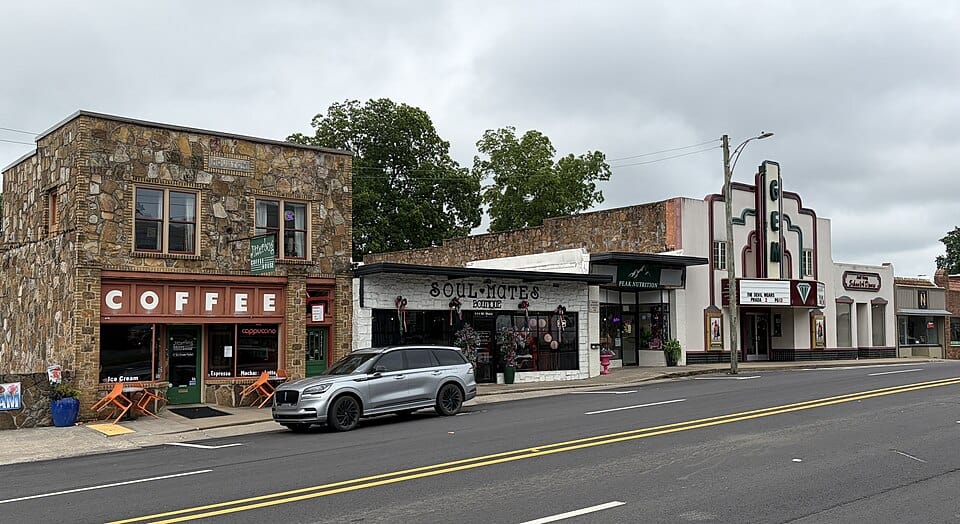
Strengthening local media, like small town newspapers or community radio, offers residents trusted alternatives to the fragmented social media ecosystem many interviewees rely on for political information. Perhaps most importantly, civic engagement cannot be separated from material wellbeing. Families worried about food or transportation do not have time to research candidates or follow elections. Policies that reduce economic uncertainty—whether by keeping rural hospitals open, supporting small businesses, or reducing food insecurity—also strengthen democracy by creating the conditions under which participation becomes feasible.
In the End, It’s All About Community
Rural residents in Arkansas, when asked what gives them hope, answer with a variation of something similar. A Perry County restaurant owner, frustrated as he is with local corruption, continues to invest his own money in the county regardless. Lesley Nalley, a member of the Perry County quorum court, answers the question of what gives her hope for the future without hesitation: “The people. I mean the people here are amazing. They’re resilient. They love this place.”
Although a large number of residents in rural Arkansas have disengaged from voting, they have not disengaged from their communities. Community members continue to organize local events, advocate for infrastructure repairs, sustain local businesses, and contact local officials, even if they doubt the outcome will change. What they no longer believe is that voting is connected to any of those efforts. Improving rural turnout, then, may depend on demonstrating, incrementally and locally, that participation produces results they already value. Residents of rural Arkansas do not need to be convinced that their communities are worth investing in.
They need evidence that voting is one of the ways positive change can happen.


Sanjana Koneru is a senior at Pulaski Academy in Little Rock. She is interested in political science and civic engagement. In her free time, she likes watching movies, reading, and spending time with family and friends.