Fireflies.
Written by John W. Bateman
The charm of that word was foreign to my childhood summers. Still, how often did my cousin David and I catch and release, briefly holding an enchanted glass jar of living bioluminescence?
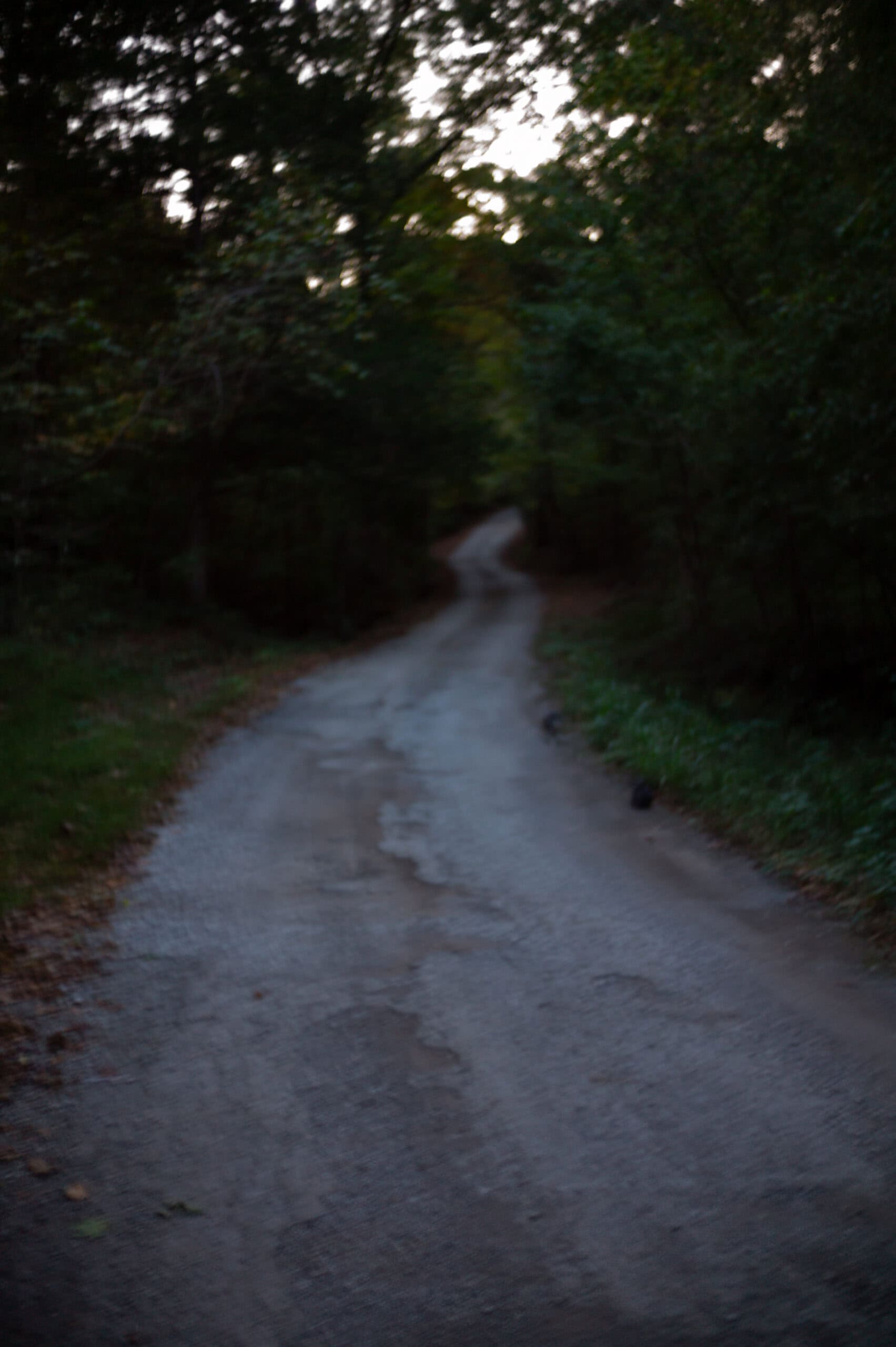
I have vague memories of waking up at odd, late-night hours in my grandmother’s house, witnessing a different shade of green blink outside the bedroom window. My curiosity never gave me the bravery in those peculiar nights to venture along an obscure gravel road outside of Delight, Arkansas, to see these copycat fairies.
If forest shadows, coyote cries, and stories of the last red wolves in Arkansas had not amplified my childhood imagination into hyperdrive, I would have spent hours outside in the dark, watching, wondering, counting.
Both sets of my grandparents lived in Pike County along a state highway that was only partially paved until about 1990. As of the 2020 Census, the entire county has slightly more than 10,000 residents. My grandparents lived in a community at least twenty miles as the crow flies from the nearest Walmart (a surprising feat for Arkansas). Cell phone service, even in 2026, is a game of roulette: some days it hits, some days it’s a bust. The best indicator that we have, surely, gone over the river and through the woods is a spectacular clear night when the Milky Way galaxy stretches a pastel smear of finger paint across the sky.
It’s rural.
As of 2026, two weekly outlets report on events in Pike County. That is double the local sources that half the country can access. More than 1,500 counties in the United States have only one local news source, according to the Local News Initiative’s 2025 Report on The State of Local News. More than 200 counties have none. In 2025, the U.S. lost 40% of its local newspapers, “leaving 50 million Americans with limited or no access to a reliable source of local news.”
People still want information. It comes from different outlets now. The Pew Research Center found that 53% of adults “sometimes” or “often” get their news from social media. Despite growing concerns about accuracy, convenience is “the top thing people like most about getting news on social media.”
Local news serves a fundamental purpose. It’s the lightning bug in our backyard.
Local news alerts communities to local issues: who else will report on a city vote to raise property taxes or cut the school district budget? Who else will report on the local basketball game or high school science fair? Who else will report on rural infrastructure needs like water and sewer pipelines? Local news also serves a community-development function: it can thwart polarization and build the sense of a unifying purpose.
Without local news, we don’t get to know each other.
Is access to news enough?
Are gaps between neighbors so easily bridged by a town crier? What if the source of local news limits its perspective? How does a small town benefit when the newspaper (or radio program or community bulletin board or social media thread) addresses city taxes but doesn’t report on the maintenance of county roads, water utilities, or education funding? How do voters benefit when no one reports on financial conflicts of interest held by city council members who provide tax incentives to some property developers and not others? What if no one reports on questions of mismanagement or abuse by local authorities? More critically, what if that source of news reports something incorrectly, whether by accident or otherwise?
Access to news alone misses something important, particularly when I compare growing up in a college town with my grandparents’ hyper-rural, one-newspaper community.
I could see the lightning bug, but it moved too quickly between flashes for me to catch it.
A college memory identified the missing variable. Both of my parents taught at Mississippi State University in my childhood hometown of Starkville, MS. I attended integrated public schools in the 1980s with teachers who held graduate degrees and certifications. I visited and lived in other parts of the country. My formative years included exposure to a vast array of ideas, cultures, and people. I was lucky.
As a student at the University of Mississippi in the early 1990s, I waved the rebel flag at football games along with most other white students. In retrospect, I linger in disbelief at my baffling cognitive dissonance.
In 2015, I candidly admitted this lack of critical thinking in the Huffington Post. Paul Shackel writes about folks like me in “Public Memory and the Search for Power in American Historical Archaeology,” when he acknowledges that groups (and even members of the same group) do not “understand the past in the same way.” When one segment gains the ability to promote a particular view (or history), that collective, promoted memory becomes “public memory” with the power to mask people or history.
It doesn’t take a conscious, malicious effort to hide or alter history, only the desire to validate one set of experiences and memories. Shackel perfectly diagnoses the clichéd desire among white Southerners who want to believe the Confederate flag is “about heritage, not hate.” Never mind the documented, systematic acts of horrific violence committed under that flag.
Denial ain’t just a river in Egypt, as I’m reminded.
Information alone isn’t sufficient. I had to unravel the threads before I could recognize and admit the harm in waving “a piece of cloth.” What’s missing, for me, isn’t access. Local news must be accompanied by critical thinking and empathic listening to different perspectives and learning new histories.
“Critical empathy” allows me to unravel my own threads and re-learn the past and counter dominant, flawed narratives that perpetuate old beliefs and misinformation.
The question remains relevant and urgent. What else do I need to unravel and re-learn?
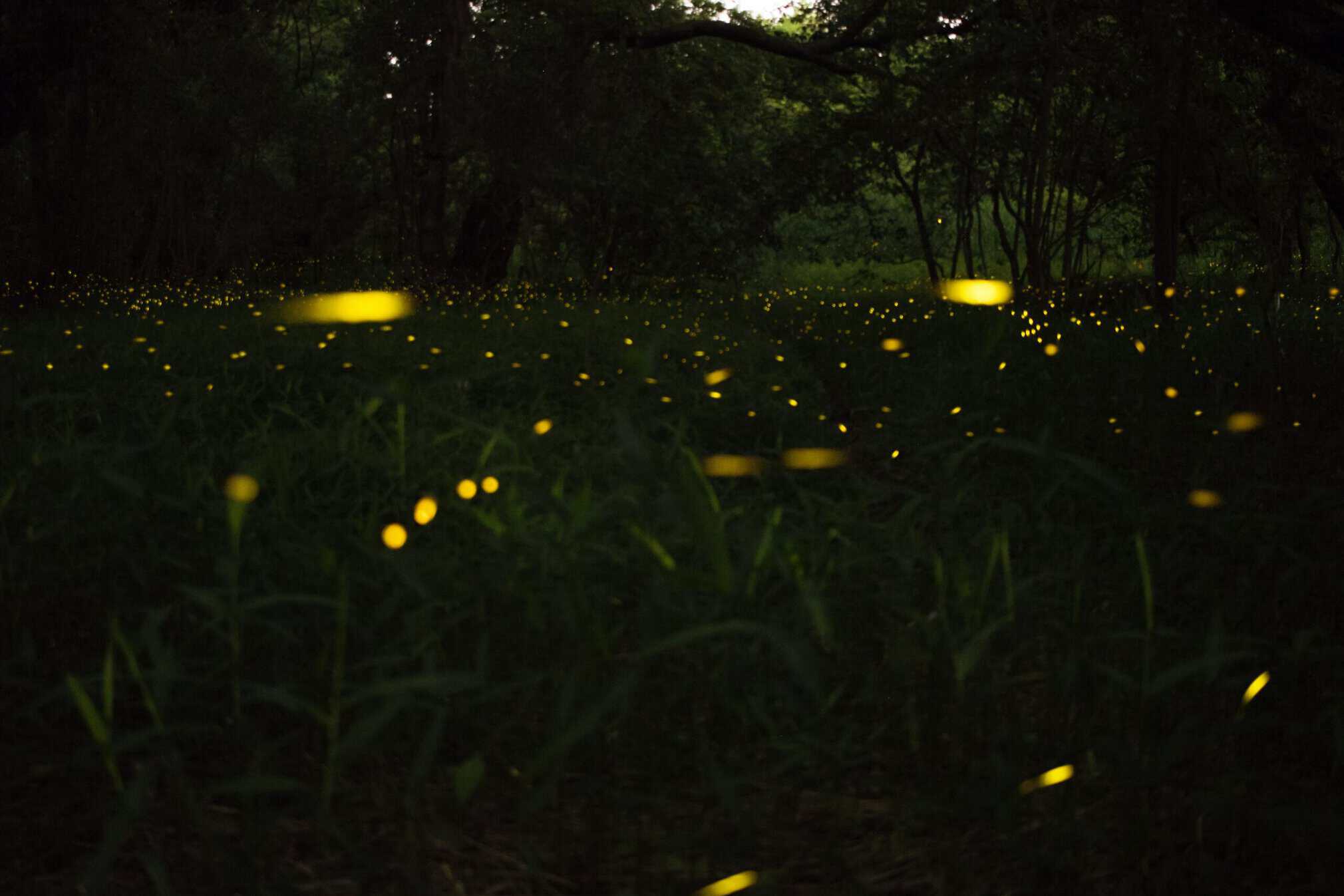
What other fireflies do I need to see?
WRITER BIO & PHOTO HERE