For students away from home, college is expected to be a safe place, fostering intellectual and personal growth. The news of the shooting at Brown University asks students to pause and reckon with the knowledge that even traditionally safe spaces are not untouched by tragedy.
Written by Salma Eid, High School Senior
Photographs by Brian Chilson
College is viewed by many excited and nervous high school seniors, like myself, as a time of endless possibilities and new firsts. First dorm rooms, first sense of independence, and the first time a new home is created. A home is expected to be a safe one, one that fosters growth, both intellectually and personally. The news of the recent shooting at Brown University changed this feeling for many and planted in the hearts of students a sense of apprehension.
When I first read about it, I felt a knot of unease and a mix of fear for students I had never met and a sudden, strong awareness that the spaces I had imagined as safe might not always be so. It left me pausing, questioning what I had once assumed about college as an untroubled chapter, and reflecting on how quickly life’s fragility can enter even the most promising beginnings.
Incidents like these reach beyond the campus communities on which they occur; they touch the hearts of families, friends, and strangers alike. For students on the cusp of adulthood, they reshape how college is understood. No longer does college remain the fantasy of freedom that it once was, but a real place. One that is vulnerable in the same ways as any other community. This realization doesn’t inherently replace excitement with fear, but it certainly complicates it.
This moment of confusion is difficult to articulate.
As seniors, we are taught to look forward: to acceptance letters, to move-in days, to new beginnings. Yet news like this asks us to pause and reckon with the fact that even spaces built for learning and growth are not untouched by tragedy. It forces us to reconcile two truths at once: that college can still be transformative and hopeful, and that it exists within a world that is imperfect and unpredictable.
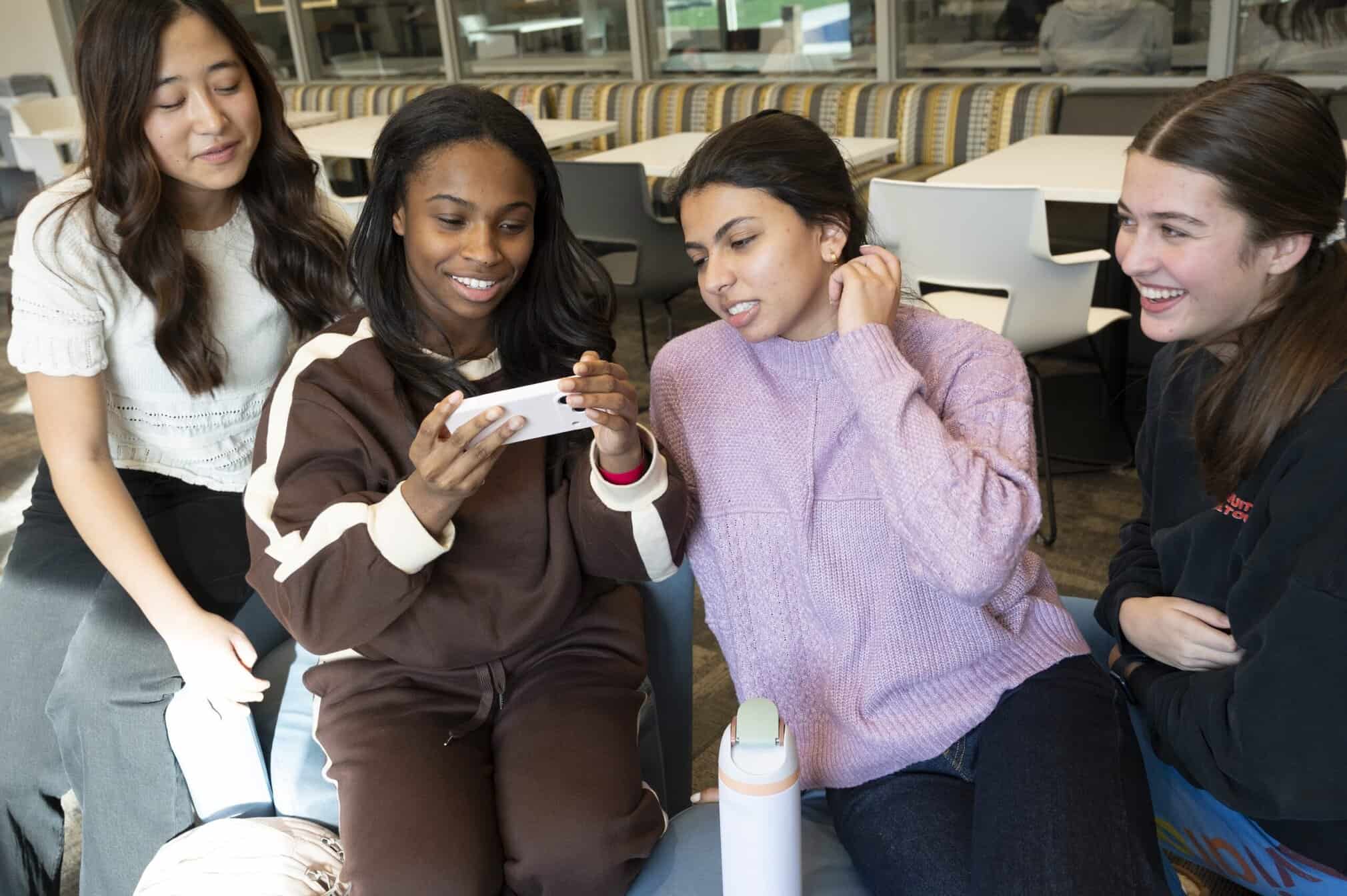
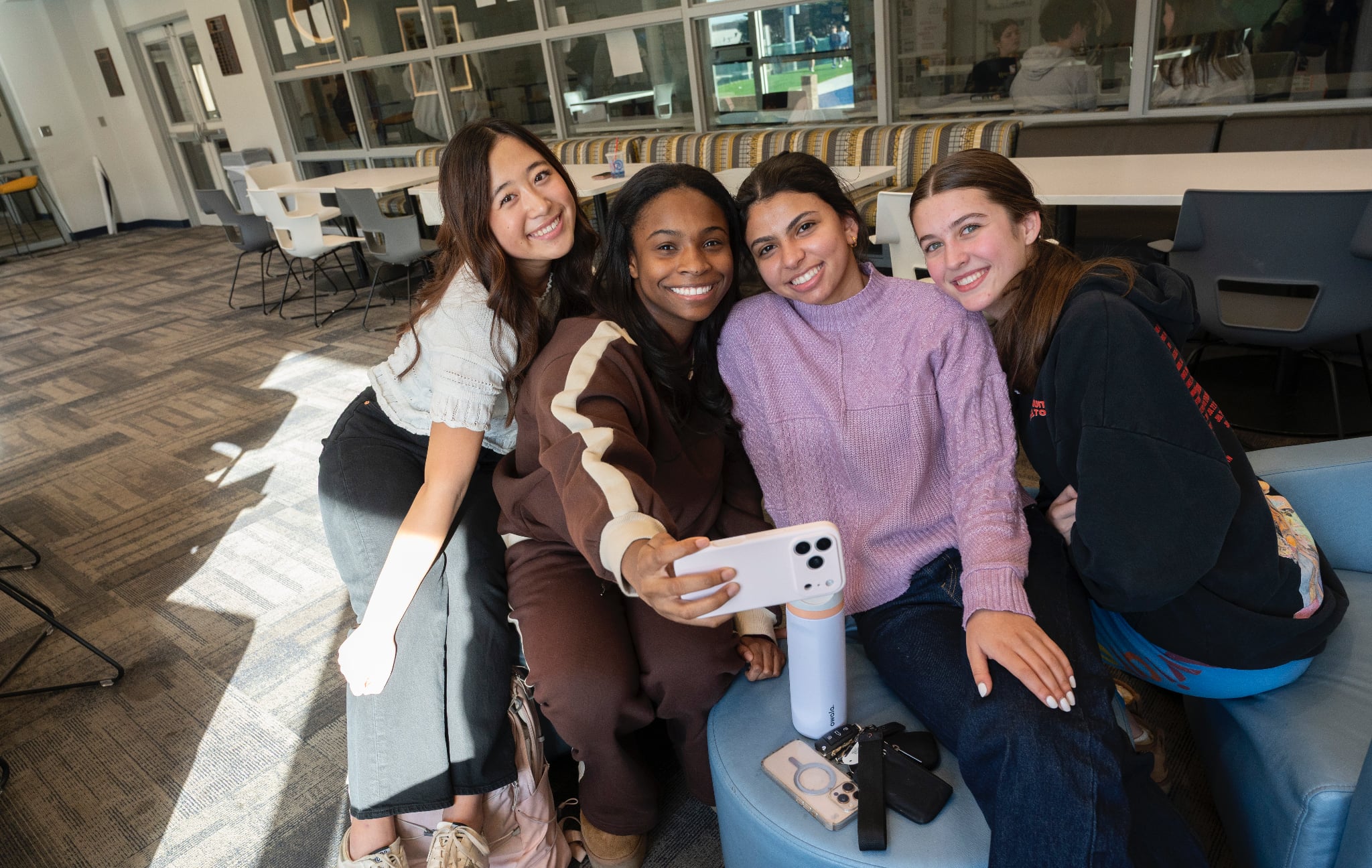
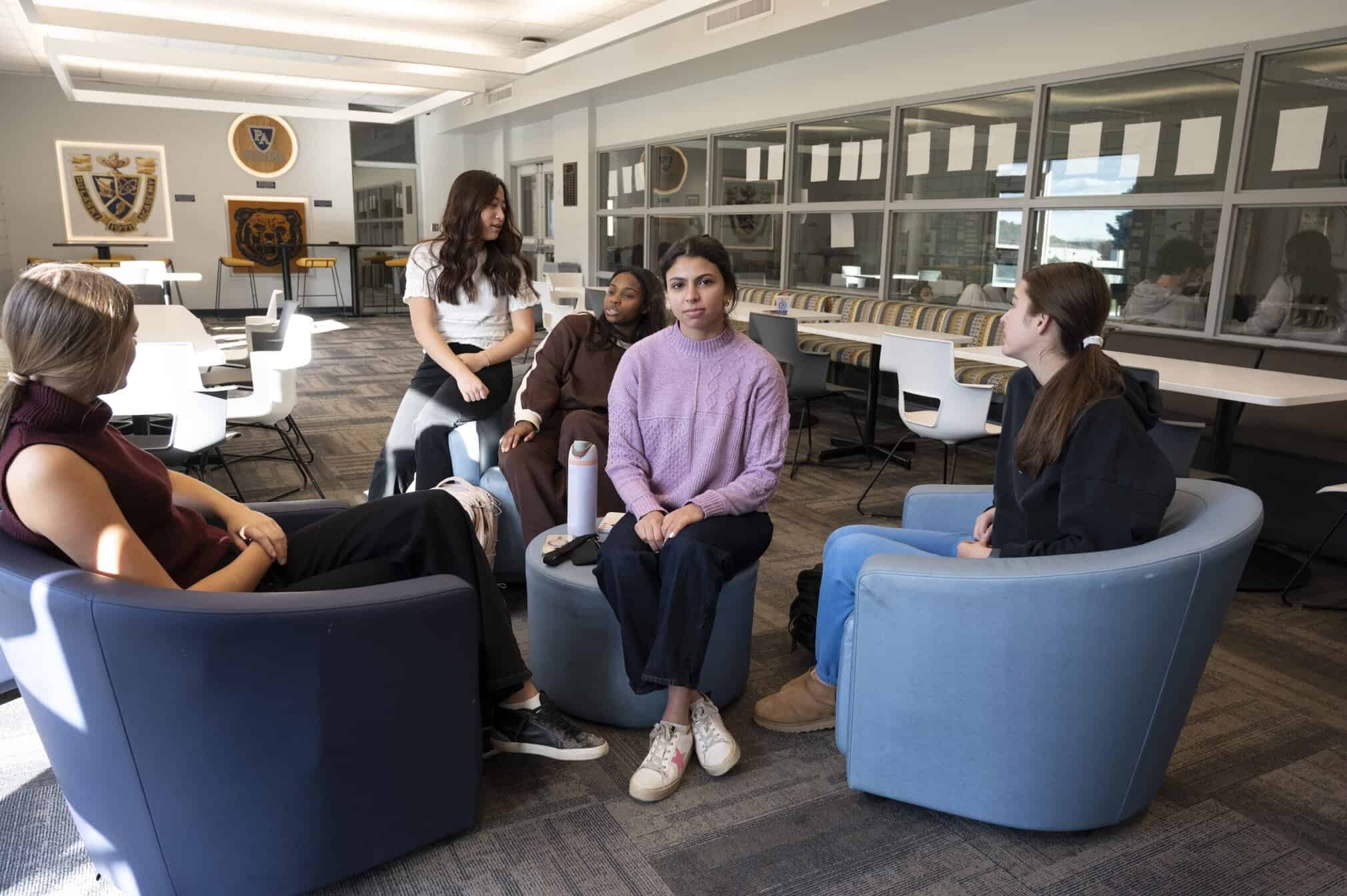
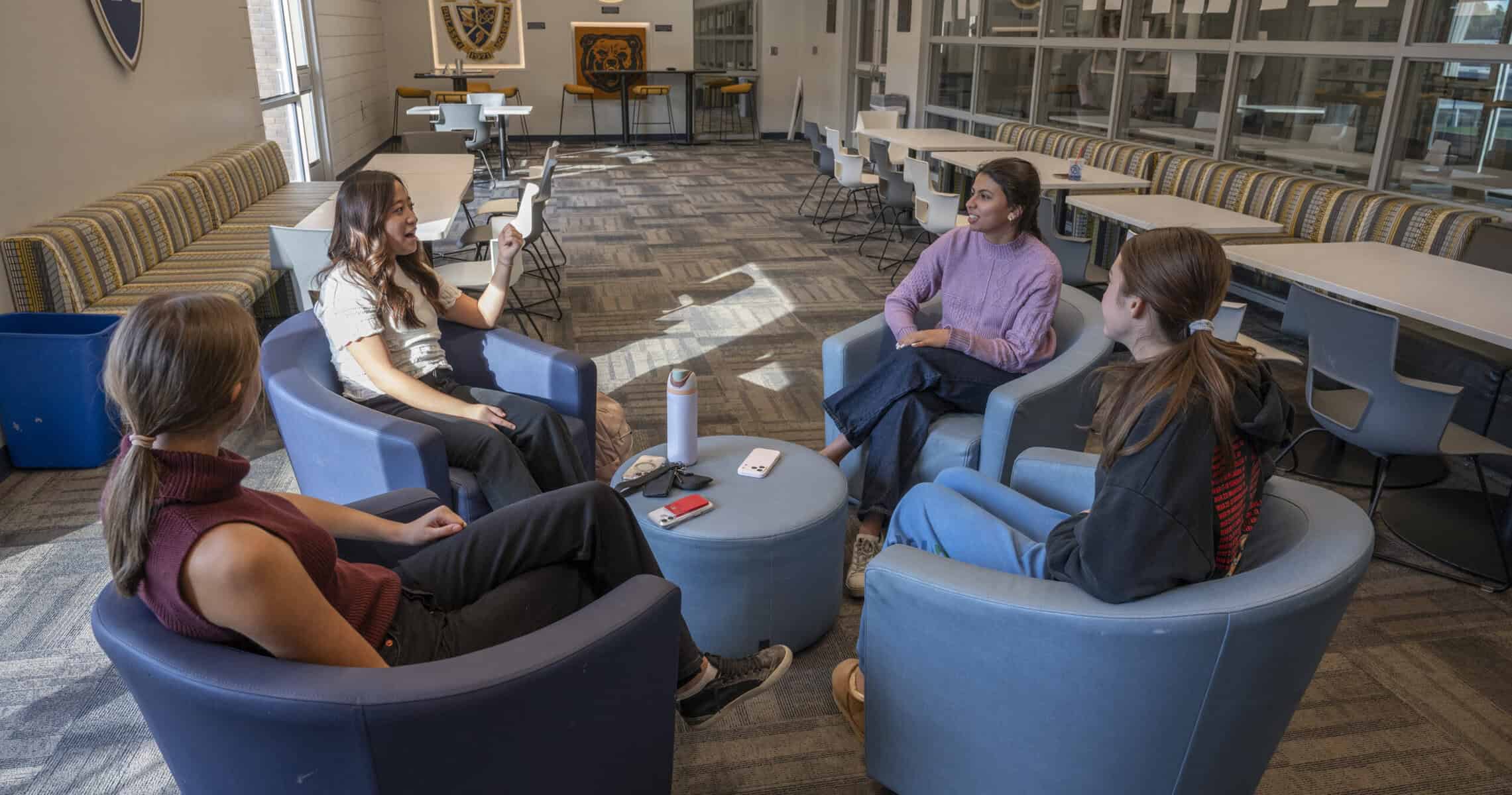
Above, left to right: Pulaski Academy students Elina Kim, Kennedy Wilson, Salma Eid, and Ella-Kate Minton inspect selfies. Below: Caroline York (lower left) joins the group for a visit in a common room on campus.
Tragedies like the one at Brown have accelerated the type of emotional development typically associated with the transition to college.
This event has also changed the way I, as well as many others, view safety. I have come to realize that perhaps safety can be measured by the strength of bonds in a community and the response of that community when harm comes its way. This can include the response from the institution, support of students for one another, and compassion becoming action. College, then, is not just about gaining independence, but about learning how to care for and be cared for by people beyond our immediate circles.
High School Seniors are no longer seeing college as it is portrayed on a website, social media, or as an idealized version of a story; instead, they are coming to see it as a living, breathing community, with all the vulnerabilities and strengths that exist beyond the campus boundaries.

While this understanding is sobering, it is also grounding; it will ask more of students and future members of these communities. It also reminds us that college is a privilege, one that is not equally accessible to all, particularly in places like Arkansas, where many students face significant barriers to furthering their education.
The tragedy at Brown has not diminished my hopes for college; however, it has changed them. It has reinforced the idea that meaningfulness comes to these places not only through achievement, but through empathy, responsibility, and collective caring.
I am going forward into my next phase of life with both a sense of excitement and an awareness of what lies ahead.
As such, college may no longer be viewed as a safe haven; however, it is still a space where community can develop greater strength during times of adversity.
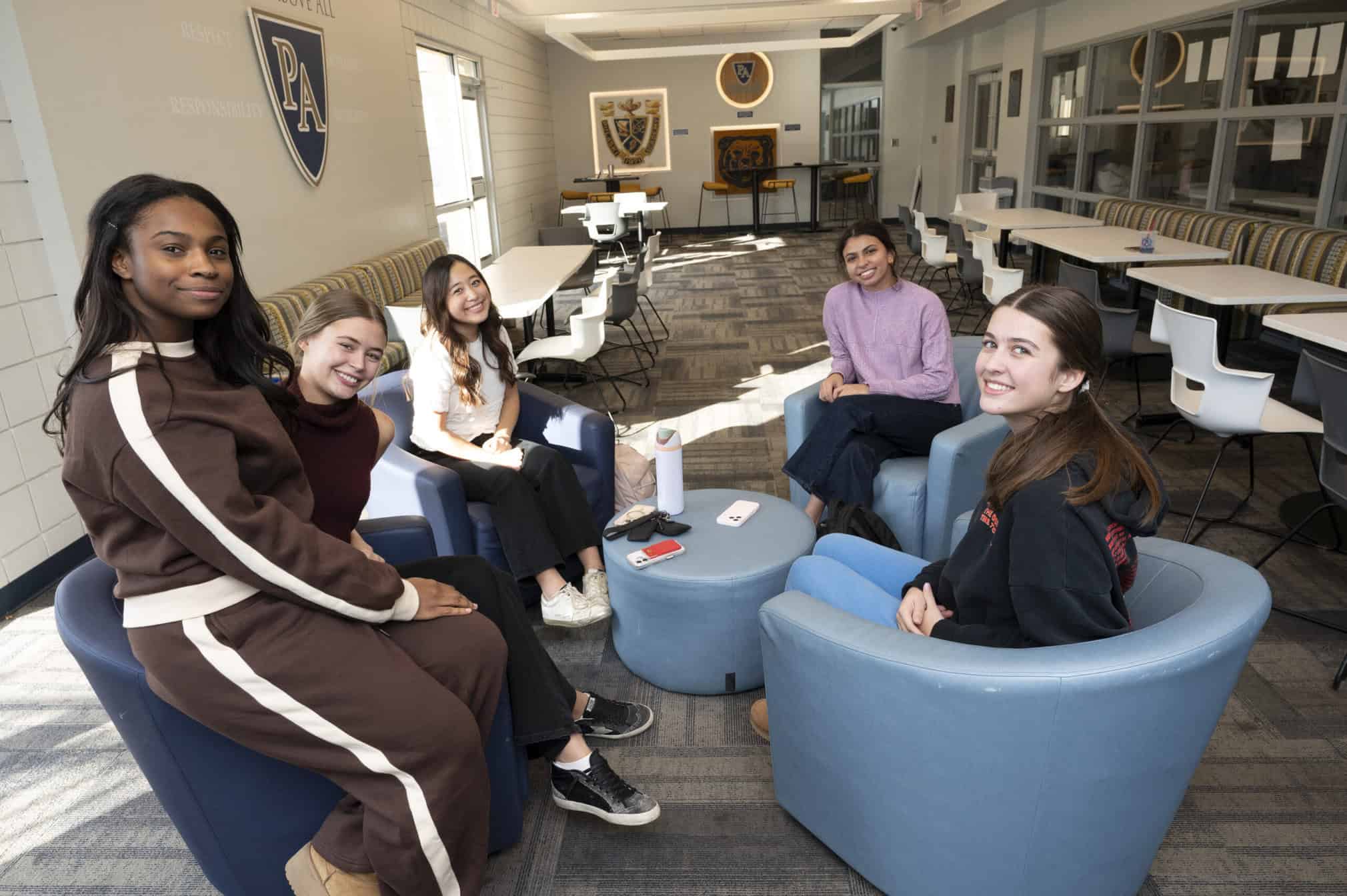
Left to right: Kennedy Wilson, Caroline York, Elina Kim, Salma Eid, and Ella-Kate Minton.

Salma Eid is a 17-year-old senior at Pulaski Academy in Little Rock. She enjoys spending time with her family, baking, writing, and exploring new opportunities to learn and grow. Salma values creativity, curiosity, and making a positive impact in her community.

This story was shared by a member of our community. We believe everyone has a story worth telling, and we’d love to hear yours. Join our community of storytellers. Share your story with us at in**@******ng.org or use our submission form.